

Summary
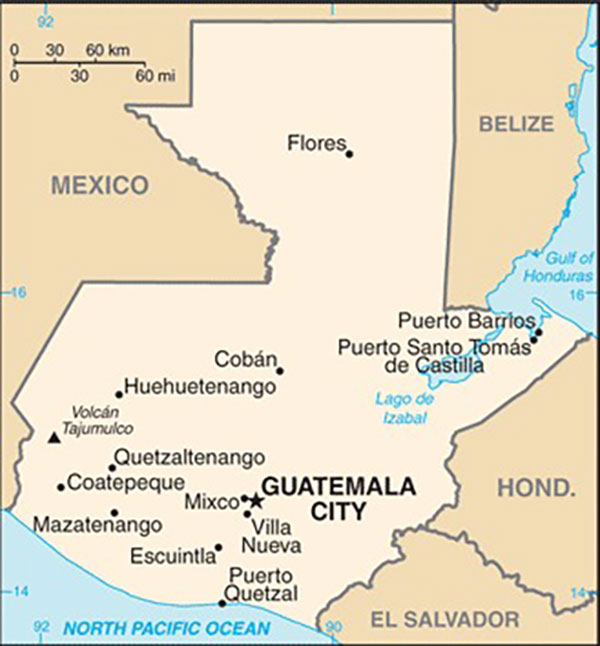
Map of Guatemala
Guatemala, a small country in Central America, is a republic with a mixed-presidential system of government. Guatemala has had democratic elections since 1985 but struggled to overcome a legacy of military rule, corrupt government and poverty. Freedom House ranks Guatemala as “partly free.”
Guatemala was home to some of the most ancient civilizations in the Americas. The Spanish conquest was particularly brutal here, leaving a lasting legacy of violence, repression and discrimination against the Indigenous population. In 1839, Guatemala established an independent republic that was dominated by a white and mestizo elite. For the next century, the republic was ruled mostly by strongman dictators.
In 1944, a popular revolution introduced universal suffrage and land reform, but a US-assisted military coup in 1954 overthrew the elected government. Thirty years of harsh dictatorship followed that was marked by brutal counter-insurgency campaigns against a leftist guerilla movement. After a coup by progressive military officers in 1983, a constituent assembly drafted a new constitution that was adopted in 1985, initiating a period of uninterrupted civilian governance. The civil war ended in 1996.
Guatemala, however, has had uneven progress toward a stable democracy with constitutional limits. Citizens twice successfully protested against coup attempts and graft by presidents, but recent leaders brought back corruption and repressive practices. In its most recent election in 2023, citizens overwhelmingly voted for a reform candidate as president pledging to end repression and returning Guatemala back to democratic principles. However, political parties and officials tied to the corrupt governments held on to positions of power (see Current Issues).
Guatemala, ranked 103rd in area (109,000 square kms.), is bordered by Mexico to its north, Belize to its east, and Honduras and El Salvador to its south. The population is 18.1 million people (2023 UN estimate). According to the International Monetary Fund, Guatemala ranks 65th in projected nominal GDP at $110 billion USD for 2024 and 110th in nominal per capita GDP at $5,678 per year, indicating a wide gap in income equality.
History
Originally inhabited between 18,000 and 10,000 BCE, the region was the center of the Mayan and nearby Olmec civilizations beginning around 1500 BCE. The Mayan civilization reached its apex between 300 and 900 CE. The Mayans' El Mirador complex is thought to have formed the largest city in the ancient Americas. (Its pyramid structures rival those of Egypt in overall size.) Mayan civilization began to decline after the 10th century CE with the dispersal of large city-states into smaller communities, but uts language and culture remained dominant among Amerindian nations in the region.
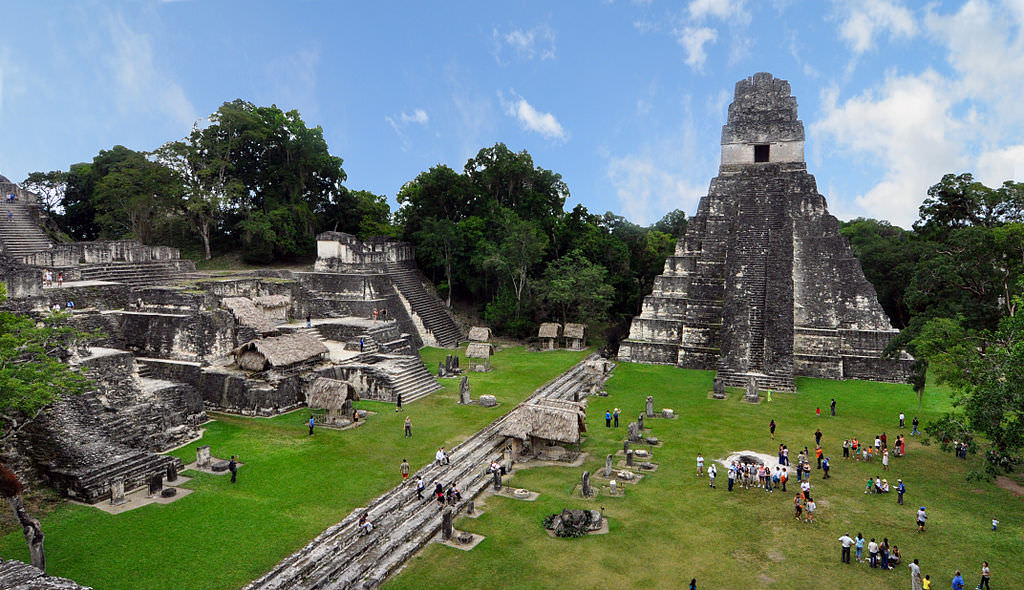
The Tikal temple ruins in Yax Mutal, one of the largest archeological sites of the Mayan civilization. It is a UNESCO World Heritage Site. GNU Free Documentation License. Photo by Chensiyuan.
The Spanish conquest of Guatemala, beginning in 1523, brought about the final destruction of Mayan civilization and the subjugation of the Amerindian population. The entire region between southeastern Mexico and Panama was placed under the Captaincy General of Guatemala for nearly three centuries. The current capital, Guatemala City, was founded in 1776 after earthquakes destroyed earlier capitals.
Spanish Conquest
The Spanish conquest was particularly brutal here, leaving a lasting legacy of violence, repression and discrimination against the Indigenous population.
As in Bolivia and Venezuela (see Country Studies), Spanish conquest introduced a dominant class of white settlers and mestizo (mixed race) descendants who were given control of the land and the authority to exploit natural resources through slave labor and peonage (a system known as encomienda). Roman Catholicism was imposed as the dominant religion, but Mayan culture and religious practices survived over centuries and remains an important part of Guatemalan society.
Independence, Unity and (Mostly) Strongman Rule
Independence from Spain was declared in 1821 by the United Provinces of Central America. This included most of the Captaincy General of Guatemala, encompassing present-day Costa Rica, El Salvador, Honduras and Nicaragua. The federation, however, dissolved in civil war. Guatemala, with its current territory, established itself as an independent republic in 1847 under the presidency of General Rafael Carrera, who had ruthlessly established military dominance starting in 1839. He ruled until 1865, backed as Guatemala’s first president by previous colonial power brokers, landowners and the Catholic Church.
Change came through a liberal revolution in 1871. Justo Rufino Barrios, who became president, had a new constitution adopted. He introduced secular education and modernized the economy by expanding coffee cultivation. Barrios, however, attempted to reconstitute a Central American federation by force. He died in battle in El Salvador in 1885.
Thereafter, Guatemala was dominated again by strongman (caudillo) rule, especially during the presidencies of Manuel Estrada Cabrera (1898–1920) and General Jorge Ubico Castañeda (1931–44). These two rulers institutionalized authoritarian government and invited large foreign agricultural investment, mostly from Germany and the United States.
The 1944 Revolution
Arévalo introduced universal suffrage, land reform, and labor reforms that benefited indigenous farmers, workers and trade unions.
A general strike in June 1944 forced General Ubico's resignation. A popular revolt supported by dissident army officers then ousted his chosen successor in October. The interim military leaders, Jacobo Árbenz Guzman and Francisco Javier Arana, ceded power in 1945 to a civilian president, Juan José Arévalo, who had won an uncontested election. Arévalo introduced universal suffrage, land reform and labor reforms that benefited indigenous farmers, workers and trade unions. Arévalo’s challenge to the old order resulted in fierce conservative opposition, but he served his full term until 1951.
The Arbenz Presidency and the 1954 Coup
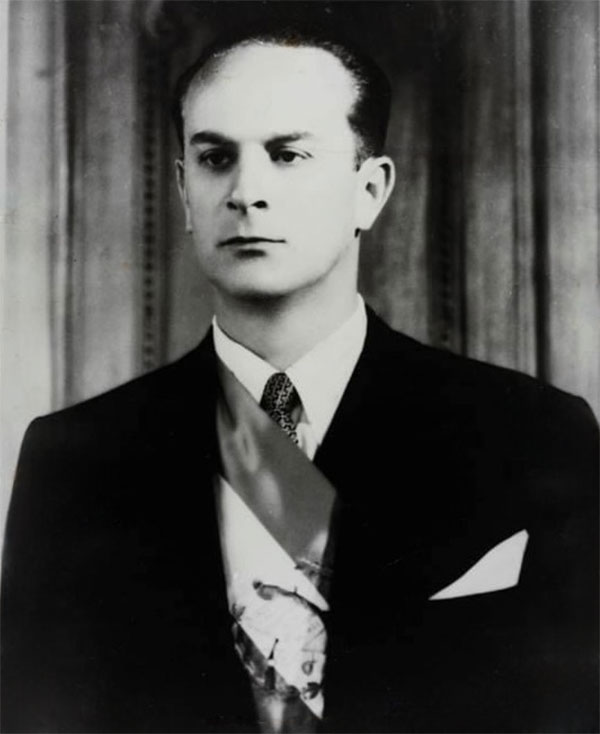
Jacobo Árbenz, a leader of the 1944 revolution and winner of Guatemala’s first free election for president in 1951. He was forced to resign in a coup in 1954 led by Colonel Carlos Castillo Armas. Public Domain.
Jacobo Árbenz, one of the interim military leaders, succeeded Arévalo in Guatemala’s first contested free election in 1951. Influenced by socialist ideas, he brought about a more radical agrarian reform law that authorized the seizure and redistribution of uncultivated large estates. The move was welcomed by the country's impoverished peasants but represented a threat to the US-based United Fruit Company, which had large landholdings since the turn of the century. Árbenz's cooperation with Guatemala’s small Communist Party also raised undue fears that the country might ally itself with the Soviet Union during the Cold War. In 1954, President Dwight D. Eisenhower authorized a Central Intelligence Agency-coordinated invasion by right-wing exiles that forced Árbenz’s resignation. The leader of the US-backed force, Colonel Carlos Castillo Armas, installed himself as president.
Colonel Castillo Armas was assassinated in 1957, but the coup he led marked the beginning of three decades of dictatorship and set the stage for a brutal civil war against left-wing guerrillas. Over a period of thirty-six years, the government’s counterinsurgency campaigns are estimated to have resulted in at least 200,000 deaths and up to 50,000 disappearances. These were documented by a UN-backed Truth Commission established in 1996 as part of a peace agreement that ended the civil war (see Constitutional Limits below). Atrocities committed by government forces led US President Jimmy Carter to cut off military aid in 1977 as part of a new foreign policy emphasizing human rights over support for authoritarian regimes that allied with the U.S. during the Cold War.
From Coup to Democracy
A 1982 coup by junior officers and army troops brought General Efrain Ríos Montt, a religious charismatic, to power. He used his dictatorial authority to launch an especially bloody counterinsurgency campaign. (As documented in the Truth Commission’s report, a majority of the civil war’s killings and “disappeared” occurred during this period.)
As interim president, General Mejía pledged to restore democracy. He held elections for a constituent assembly in 1984 to draft a new constitution. The assembly completed and approved it the following year.
Repulsed by the level of violence, General Óscar Humberto Mejía Victores, overthrew Ríos Montt in August 1983. As interim president, General Mejía pledged to restore democracy. He held elections for a constituent assembly in 1984 to draft a new constitution. The assembly completed and approved it the following year. In December 1985, the candidate of the reformist Christian Democratic Party, Vinicio Cerezo Arévalo (unrelated to the leader of the 1944 Revolution), won the presidential election and took office in January 1986 with backing from the United States and other democratic countries. His election introduced a long struggle for constitutional rule that continues to this day.
Constitutional Limits
From its initial independence in 1839, Guatemala had a history of weak constitutional limits and strong, unchecked presidential rule. The 1985 constitution, adopted by a popularly elected constitutional assembly, tried to address this problem by increasing parliament’s powers. It also limited the president to one four-year term and required a runoff election if no candidate obtained a majority in a first round, thus ensuring a majority mandate. Like the president, the 158-member unicameral Congress has a four-year term.
A human rights ombudsman is empowered to investigate violations of the constitution's guaranteed freedoms and a Constitutional Court, composed of judges selected by several governing institutions, serves as the final arbiter of disputes. It also has authority to investigate government abuses.
After a coup by progressive military officers in 1983, a constituent assembly drafted a new constitution that was adopted in 1985, initiating a period of uninterrupted civilian governance.
After the adoption of the 1985 Constitution, however, Guatemala did not see the development of stable political parties or institutions. Until now, the rule of law has been weak and Guatemala has been mostly dominated by a right-wing military establishment and business elite that often joins together to hold sway over the political process. Still, the country has withstood several significant tests of its democracy. The Guatemalan public asserted itself three times in mass public protests in defense of democratic rights and against attempted coups and abuse of power, first in 1993 and more recently in 2015 and 2023 (see accounts below and in Current Issues).
Corruption and repressive practices were again a general feature of the recent presidency of Alejandro Giammattei, but in an August 2023 presidential run-off election to replace him, the reform candidate won a landslide victory. It signals a return to Guatemala’s more promising presidential administrations (see Current Issues).
The Constitution Is Tested
The first president elected under the 1985 constitution, Vinicio Cerezo Arévalo, fell short of expectations. The economy declined and efforts to end the conflict with leftist guerrillas failed. In 1991, a businessman running for the right-wing Movement of Solidarity Action (MAS), Jorge Serrano Elías, gained a strong majority in the second round of presidential elections. He, too, became unpopular due to economic austerity measures.
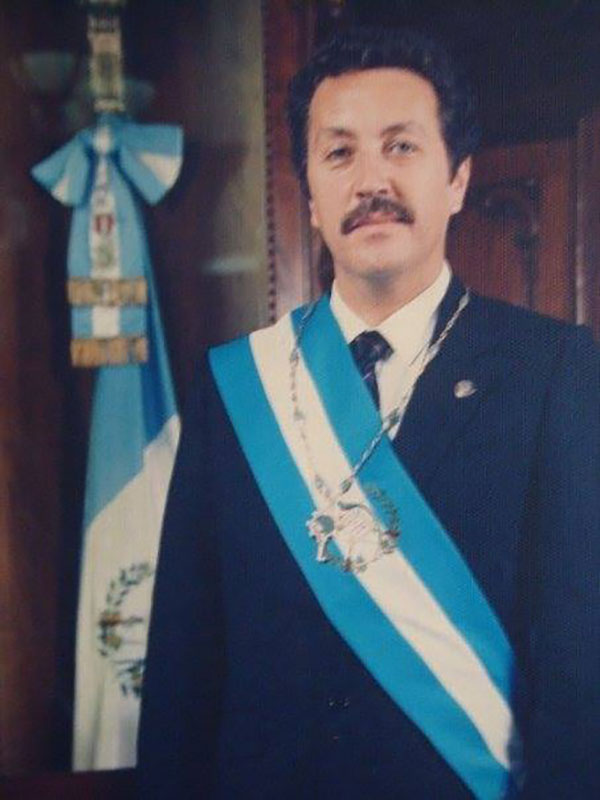
Vinicio Cerezo Arévalo, the candidate of the Christian Democratic Party, won the 1985 presidential election after democracy was restored. Public Domain.
In flagrant violation of Guatemala's new constitution, President Serrano dissolved Congress and assumed dictatorial powers in 1993. Citizens protested in large numbers and the military sided with the Constitutional Court when it declared Serrano’s actions illegal. Serrano resigned and fled the country. The human rights ombudsman, Ramiro de León Carpio, was elected by the restored Congress to complete the presidential term.
De León ordered a new presidential election in 1993 to obtain a clear mandate. He won by a large margin and attempted to end political instability and corruption. With United Nations assistance, De León initiated peace talks with the guerilla army, the Guatemalan National Revolutionary Unity (URNG). His successor, elected in 1996, finalized a peace accord that year. Under it, the URNG agreed to lay down its arms and reconstitute itself as a political party. In the 1999 elections, however, the left-wing party failed to win voter support and lost political strength. The elections were won by Alfonso Portillo of a new right-wing party, the Guatemalan Republican Front.
A Second Test
In 2003, General Ríos Montt, who in the early 1980s had carried out the most brutal of the country’s counter-insurgency campaigns, organized violent street demonstrations to pressure the Constitutional Court to allow him to run for the presidency. He was disallowed due to a specific provision written into the constitution banning anyone who participated in a coup from being president. Yet, the Constitutional Court ruled in his favor. Voters thwarted this second test of the Constitution. Ríos Montt came in third and failed to advance to the runoff.
In 2007, Álvaro Colom of the National Unity for Hope (UNE), a new left-wing Social Christian party, had a surprising victory against a former general heading the new right-wing Patriotic Party. In congressional elections, UNE captured a plurality (51 of the 158 seats), the first time since 1954 that a left-leaning party had won the presidency and a leading position in Congress.
In the November 2011 elections, Sandra Torres, the president’s former spouse, was disqualified by the Constitutional Court as the UNE candidate for trying to evade a prohibition against family members succeeding an outgoing president (she had divorced Colom six months earlier). The disqualification left voters a choice between two right-wing candidates for president. Otto Peréz Molina, running again for the Patriotic Party, won by promising a “hard-fist” against rising crime. As president, he increased spending for military and police forces, deployed the military for police functions and increased cooperation with the US on drug interdiction.
Justice and Impunity
One provision of the 1996 peace agreement established a UN-led Truth Commission to investigate crimes during the military dictatorship. The International Commission Against Impunity in Guatemala (CICIG) was also established to investigate government corruption under a different UN mandate. The published reports of both commissions kept prominent the issue of accountability of high officials for corruption and of military officials for crimes committed during counterinsurgency campaigns.
The most important case was brought in 2012 against General Ríos Montt, the former president, and his former chief of staff . . . for their actions during the brutal 1982-83 counterinsurgency campaign. The case set an international precedent.
In 2011, Attorney General Claudia Paz y Paz, who had been appointed by President Colom, started to prosecute state officials for corruption. In one case, an ex-president Alfonso Portillo (2000–04) was extradited to the United States in 2013 for taking bribes from the Taiwan government and laundering the funds through US banks. Portillo pled guilty and served a six-year sentence.
The most important case was brought in 2012 against General Ríos Montt, the former president, and his former chief of staff, General Mauricio Rodriguez Sánchez, for their actions during the brutal 1982-83 counterinsurgency campaign. The case set an international precedent: it was the first time that any former leader was prosecuted in his own country on charges of crimes against humanity and genocide.
Specifically, Ríos Montt and Sánchez were charged with ordering the systematic killing of 1,771 people in the Mayan-Ixil region, among the clearest examples of scorched earth tactics they used against suspected sympathizers of the guerrilla army. The case was initiated after General Ríos Montt failed to win back his seat in Congress in 2011 and lost his legal immunity.
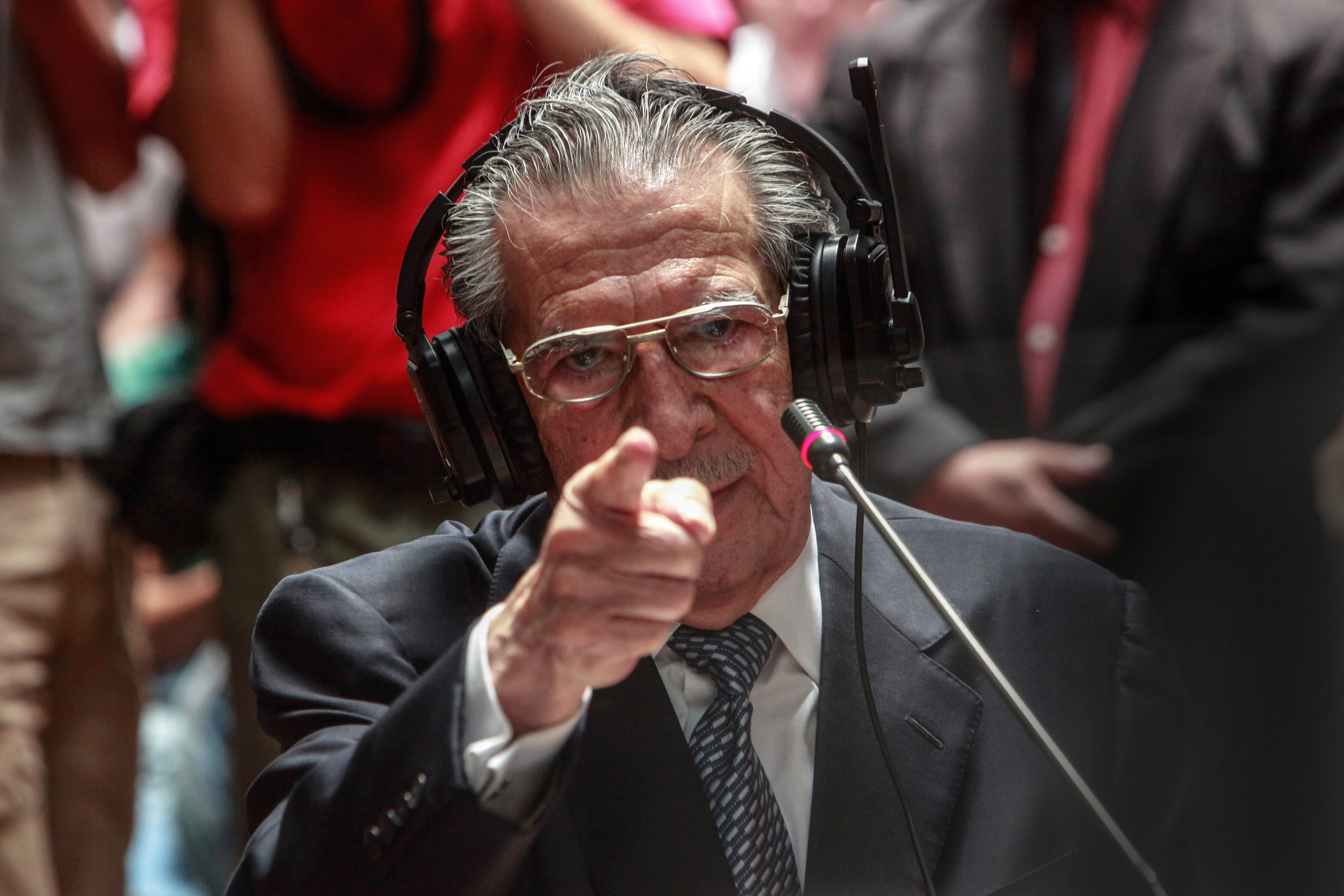
General Efraim Ríos Mont testifies at his 2013 trial on charges of genocide and crimes against humanity. He and his deputy were found guilty but the verdict was vacated by the Constitutional Court. He died during the retrial in 2018. Creative Commons License. Photo by Elena Hermosa.
The Constitutional Court, however, vacated the ruling ten days later on questionable procedural grounds, an action criticized by human rights organizations and the US government. A lower court ruled in 2015 that Ríos Montt had to face retrial, but the case was delayed. Resumed in 2017, the trial was conducted only once a week due to Ríos Montt’s declining health. He died in 2018 at the age of 91 before its conclusion. The court closed the case.
Yet Another Test of the Constitution
Following the Constitutional Court’s decision to vacate Ríos Montt’s verdict, it ordered the removal of Attorney General Paz y Paz before her term expired. A former head of the Supreme Court, Thelma Aldana, was appointed.
Aldana was thought to be the choice of the right-wing establishment but she surprised observers by leading a high-level investigation into allegations made in a 2015 CICIG report that customs duties had been lowered in exchange for bribes. The investigation led to charges against the vice president, Roxanna Baldetti, but it became clear that the scheme — involving hundreds of millions of dollars in bribes and lost revenue — was orchestrated by President Peréz Molina himself. He tried to end the proceedings.
In September 2015, Molina was forced to resign due to mass protests against his corruption just two days before scheduled presidential elections for his successor (see above). The leading candidate in the first round, held in September, was a comedian, Jimmy Morales, who campaigned on the slogan “I am not a thief.” He went on to win the second round with 67 percent of the vote, defeating the liberal UNE’s candidate, Sandra Torres, who was no longer barred from running for office as in 2011. Morales, however, would continue Guatemala's slide towards more corrupt and authoritarian rule (see below).
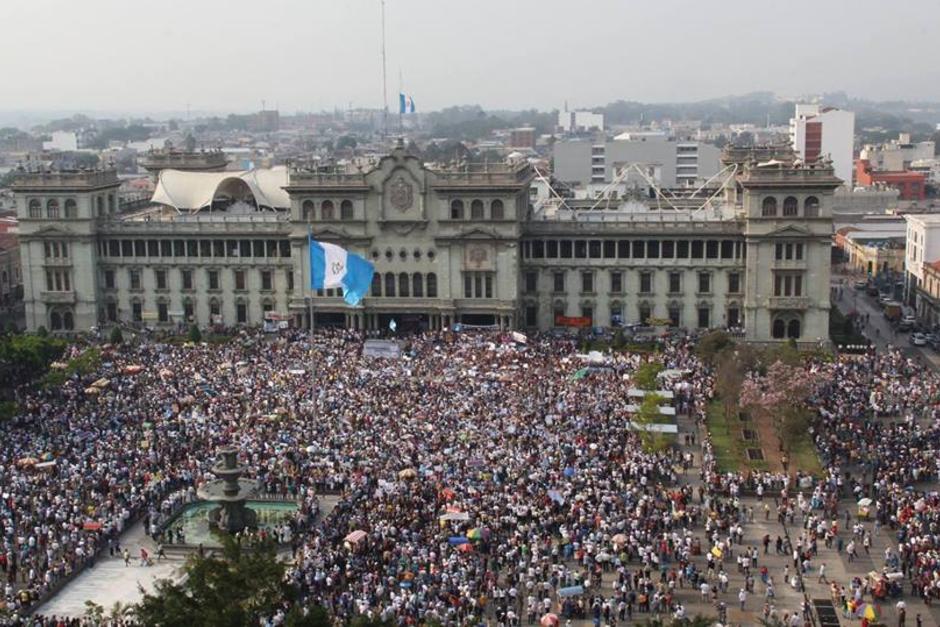
Citizen protests pressured President Perez Molina to resign after the Attorney General revealed his complicity in a massive customs payoff scheme. Above, one of the protests on April 25, 2015. Creative Commons License. Photo by Makenso.
Current Issues
Corruption, lack of accountability and the deterioration of the rule of law continued to dominate Guatemala’s politics in the period from 2015 to 2023, putting its democracy in severe crisis. But its most recent election, in 2023, signaled a dramatic return back to democratic reform.
Corruption, lack of accountability and the deterioration of the rule of law continued to dominate Guatemala’s politics in the period from 2015 to 2023, putting its democracy in severe crisis. But its most recent election, in 2023, signaled a dramatic return back to democratic reform.
Although running on an anti-corruption platform, Morales had been put forward by a new right-wing party tied to General Ríos Montt, the former leader put on trial for genocide during his rule in the early 1980s (see Constitutional Limits). At first, Morales indicated support for corruption and human rights prosecutions by the embattled Attorney General Thelma Aldana. But Morales’s support ended when she began investigating charges of electoral corruption by his campaign. These were first presented in a report by the International Commission Against Impunity in Guatemala, or CICIG, one of the UN-established institutions resulting from a 1996 peace accord (see Constitutional Limits). The report showed that large illegally hidden payments had fueled Morales’s campaign.
In response, Morales acted unilaterally to close CICIG’s office. When that action was blocked by the Constitutional Court, he had the right-wing dominated Congress end CICIG’s mandate altogether. CICIG closed its offices in September 2019.
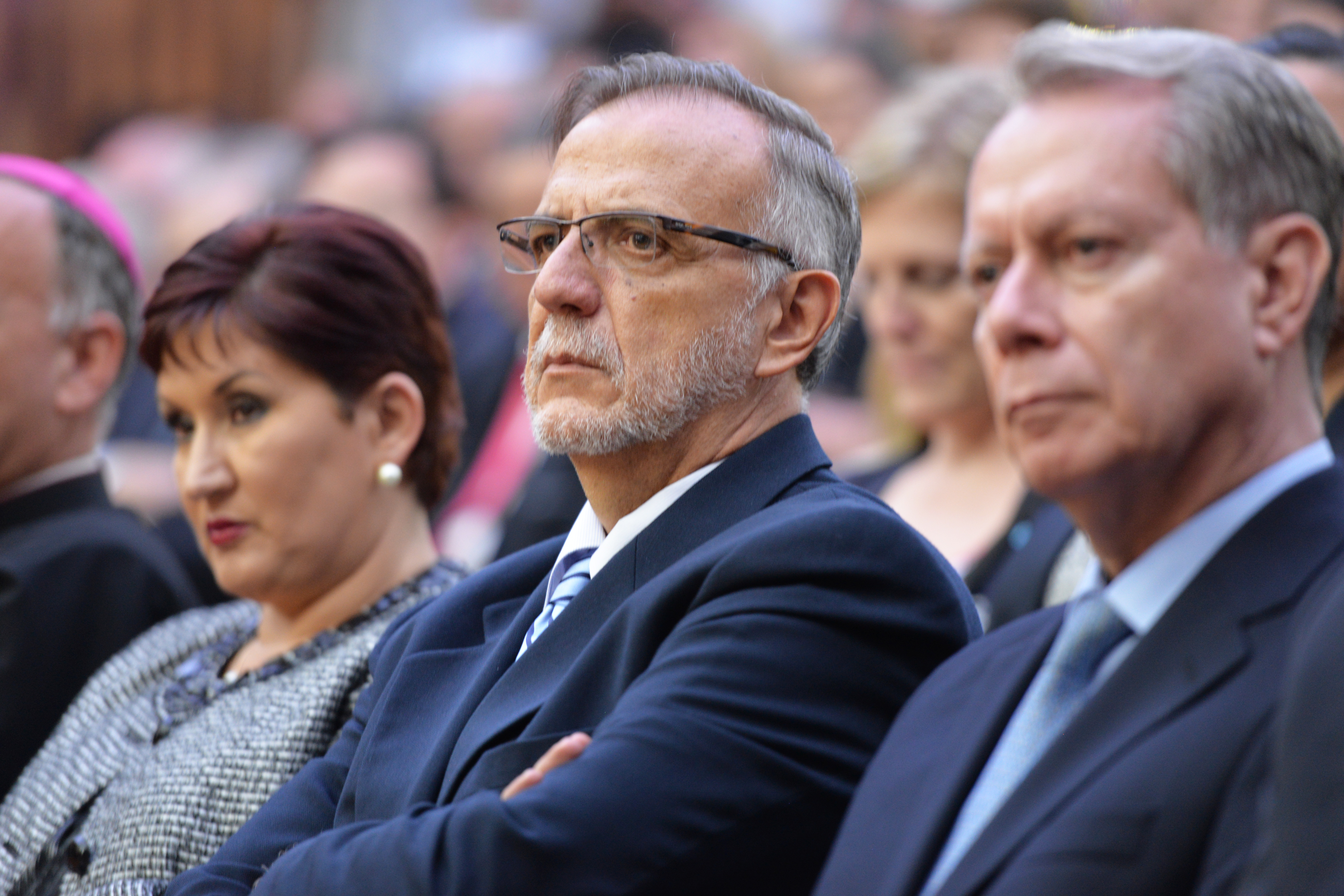
Attorney General Thelma Aldana (left) and Ivan Velasquez (center), head of the International Commission against Impunity in Guatemala (CICIG), shown here at a meeting of the Constitutional Court. They were both fired from their posts and forced to leave the country due to death threats because of their anti-corruption efforts. Public Domain.
The Constitutional Court then barred Thelma Aldana, whose mandate as Attorney General ended in 2018, from running for president in upcoming elections. After receiving death threats, she fled the country. The electoral crimes prosecutor and his family were also threatened and fled Guatemala days before the presidential election’s first round in June 2019.
Another right-wing candidate, Alejandro Giammattei, defeated UNE’s Sandra Torres, running again, in the election’s second round. He and his re-appointed Attorney General, Consuela Porras, continued Guatemala’s move away from democratic standards.
The Attorney General began investigations of more than a dozen former prosecutors, judges and journalists who had acted against corruption and government malfeasance. Seven were jailed. More than 30 officials and journalists left the country due to threats of retaliation.
Porras ended several investigations and forced out the head of the Special Prosecutor’s Office on Impunity (FECI). After a year of delays in appointing a new Constitutional Court, the chief of the court was prevented from taking her post by Congress. Both she and the ousted head of FECI then fled the country under threats of retaliation. The Attorney General then opened investigations of more than a dozen former prosecutors, judges and journalists who had acted against corruption and government malfeasance. Seven were jailed. More than 30 officials and journalists left the country due to threats of retaliation.
It took seven years for the trial of former President Peréz Molina and Vice President Baldetti to be completed. On December 8, 2022, they were each convicted and sentenced to 16 years’ imprisonment on two charges of corruption. Despite evidence that $120 million had been stolen from state coffers, they were acquitted on the charge of enrichment from state coffers.
Non-governmental organizations and media continued to operate relatively freely, but that civic space was closing. There were ongoing threats of violence and actual violence committed against human rights activists and journalists investigating corruption over the last years. The Independent Journalists Association reported 135 physical and verbal attacks in 2021, while 27 members of one NGO (Codeca) have been killed. The government also sentenced the publisher of a main reform newspaper, elPeriodico, on dubious drug and corruption charges and froze the newspaper’s accounts. It closed in May 2023 (see Resources).
Despite its regular elections, Guatemala continued to slide towards greater corruption and authoritarian rule. . . . As June 2023 presidential elections approached, it did not appear the situation would improve. Three of the four leading candidates . . . were struck from the list by the Supreme Electoral Council.
Despite its regular elections, Guatemala continued to slide towards greater corruption and authoritarian rule, reflected in Freedom House’s consistent ranking of the country as “partly free.” As June 2023 presidential elections approached, it did not appear the situation would improve. Three of the four leading candidates, including an anti-establishment front-runner and a politician mobilizing the long-dispossessed Indigenous community, were struck from the list by the Supreme Electoral Council. Turnout in the first round was low and 24 percent of voters cast blank ballots reflecting their disenchantment with the process.
Even so, another non-establishment candidate, Bernard Arévalo, the son of the reform president from the late 1940s, came in a surprise second at 12 percent of the vote. There were several attempts by the Prosecutor’s Office to disqualify Arévalom, but the Supreme Electoral Commission rejected them.
After a vigorous campaign, in which he was fully transparent of campaign contributions, Arévalo won a landslide victory in the August run-off election (58 to 37 percent). He triumphed over the UNE’s Sandra Torres, who, in her third presidential bid, was now the candidate of the conservative establishment promising “harsh measures” against crime. Legislative elections resulted in a split Congress. Vamos, a conservative party, got 18 percent of the vote (39 of 160 seats), UNE won 16 percent (28 seats) and Arévalo’s new movement, Semilla, had 15 percent (23 seats). The 60 remaining seats went to 13 other parties.
Bernard Arévalo, the son of the reform president from the late 1940s, came in a surprise second [in the first round]. . . . After a vigorous campaign, in which he was fully transparent of campaign contributions, Arévalo won a landslide victory in the August run-off election
President Giamatti and his Attorney General continued to challenge the election outcome as well as the registration status of Arévalo’s party, Semilla. They were rebuffed by both the Supreme Electoral Commission and the Constitutional Court, which both affirmed the election results and Semilla’s party registration. In this case, institutions establishing constitutional limits worked to prevent the abuse of executive power.
Right-wing political parties then tried to delay Arévalo’s inauguration by preventing a quorum required for the inauguration from taking place in December. This time, the citizenry again mobilized in defense of democracy with large protests to demonstrate for the election results to be respected. There was also international pressure on the government, including by the United States, to respect the election results. Arévalo was inaugurated on January 15, 2024.
Even with a divided Congress, the victory of Arévalo and his successful inauguration signaled a return to Guatemala’s more promising presidential administrations (see History and Constitutional Limits above). Arévalo pledged to end persecution of anti-corruption officials and human rights activists as well as to undertake largescale investments and economic reforms. At the same time, the Attorney General retained his post due to a fixed term and continued to act to decertify the Semilla party and otherwise thwart Arévalo’s reform efforts.
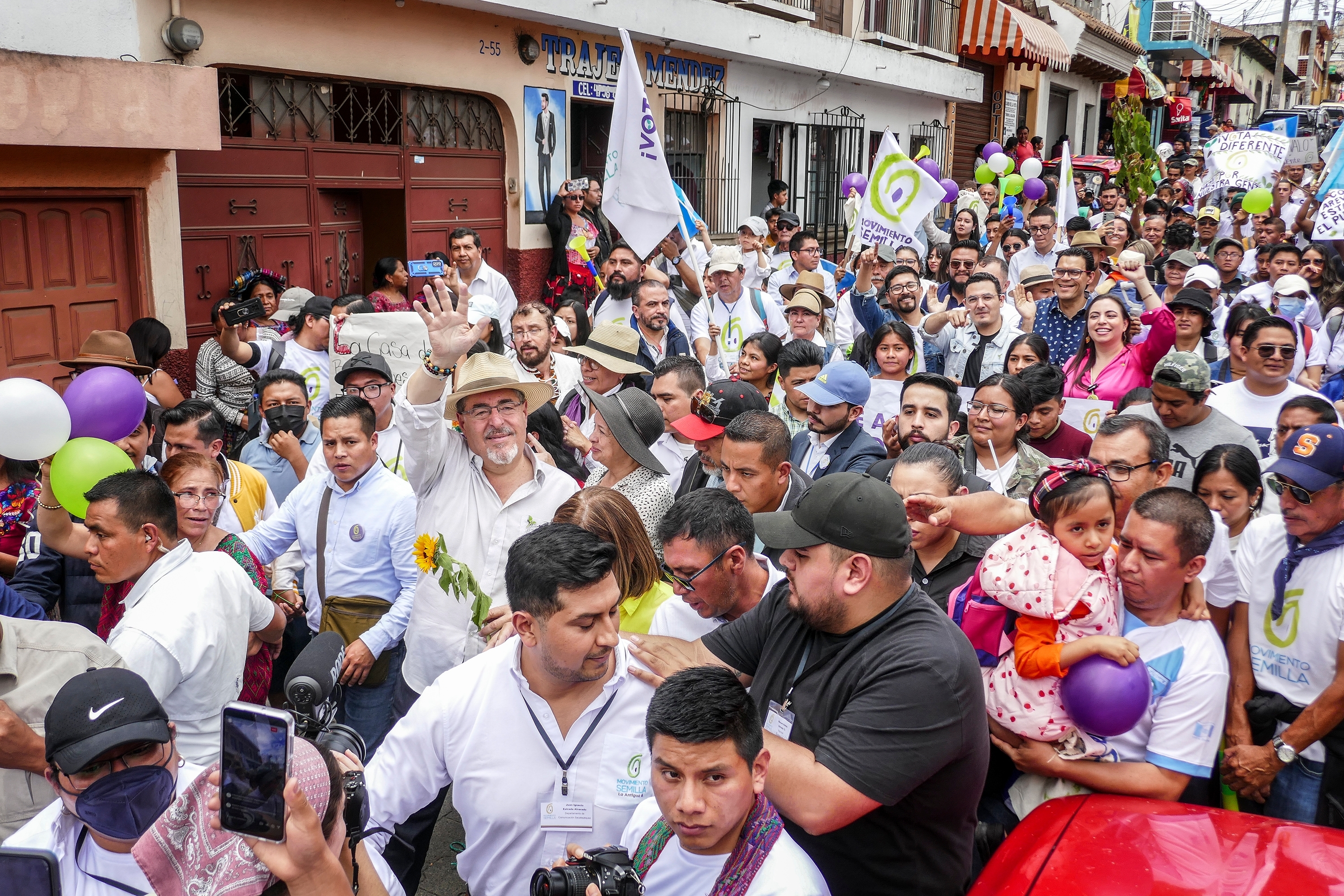
Bernard Arévalo, the son of the reform president of the late 1940s, came in a surprise second in the first round of the 2023 presidential campaign and as the reform candidate won the run-off election in a landslide victory. Arévalo (center, holding sunflower) campaigning for the second round in Santa María de Jesús, July 23, 2023. Shutterstock. Photo by Daniel Hernandez-Salazar.
The content on this page was last updated on .